Sample Courses
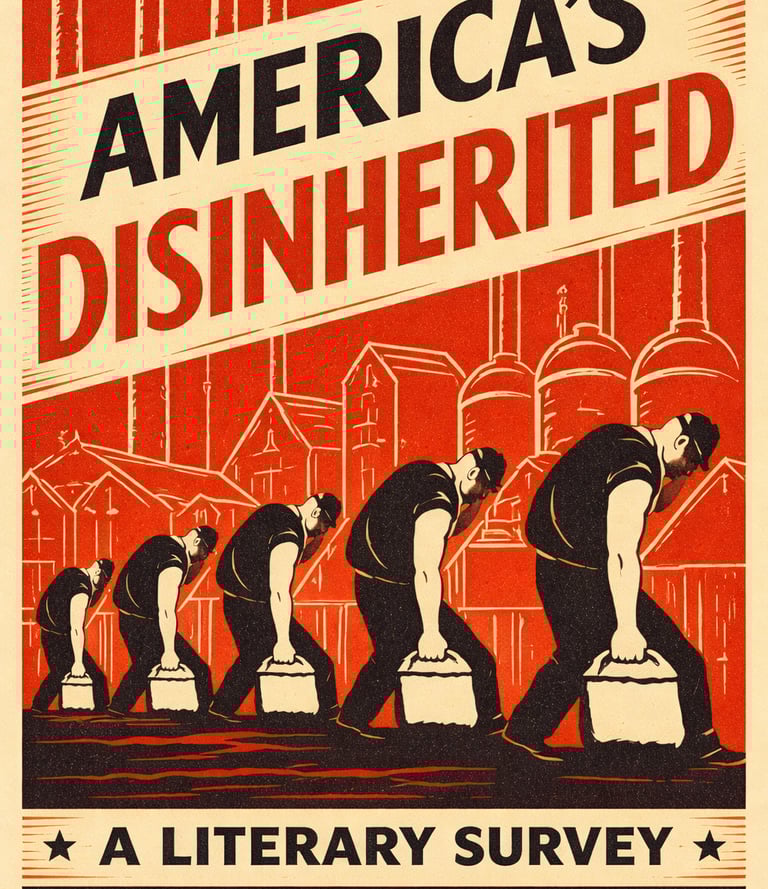
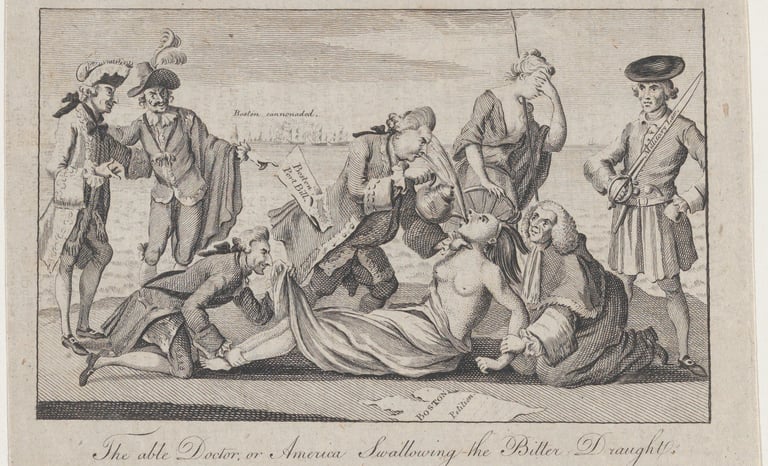
This course makes a case for disinheritance as a pivotal, yet frequently overlooked, concept in American literary and cultural history. Spanning the early colonial period to the present, we will explore how being cut off—from land, family, property, citizenship, or history itself—has shaped American identity, political struggle, and literary production. Drawing from an unusually wide and provocative archive—sermons and hymns, revolutionary declarations and legal cases, petitions and manifestos, proletarian fiction, and Pulitzer Prize–winning drama—students will encounter American literature as a battleground over belonging, loss, kinship, race, rights, ownership, and reparations.
Reading literary works alongside legal, historical, economic, and political texts, we will examine disinheritance as both a legal status and a political idea. “The disinherited” was once a title reserved for the “bastards” and “black sheep” of the family, however, the texts we study expand the category to include seafaring pirates, pious spinsters, treacherous brothers, goddesses of vengeance, queer exiles, sex workers, and ragged revolutionaries. With this motley crew as our guides, we will consider how the condition of disinheritance illuminates enduring structures of unbelonging and marginalization, while also anchoring broader critical conversations about the intergenerational effects of slavery, settler colonialism, and empire in the Americas.
Throughout the course, we will grapple with a set of persistent, high-stakes questions: How have narratives of disinheritance shaped the afterlives of slavery, settler colonialism, and imperial expansion in the Americas? Can the concept of “disinheritance” help us think clearly about reparations and redistributive justice in the present? What visions of justice are articulated, contested, or foreclosed at different moments in American history.
You can see a sample syllabus here.
“I knew I would never be able to live in this country without resisting everything that sought to disinherit me”
—Alice Walker, In Search of Our Mother's Gardens
America's Disinherited: A Literary Survey
What Is Your One Demand?
An Introduction to Feminist Theory
Ni una mujer menos, ni una muerte mas (not one woman less, not one more death)
— #NiUnaMenos
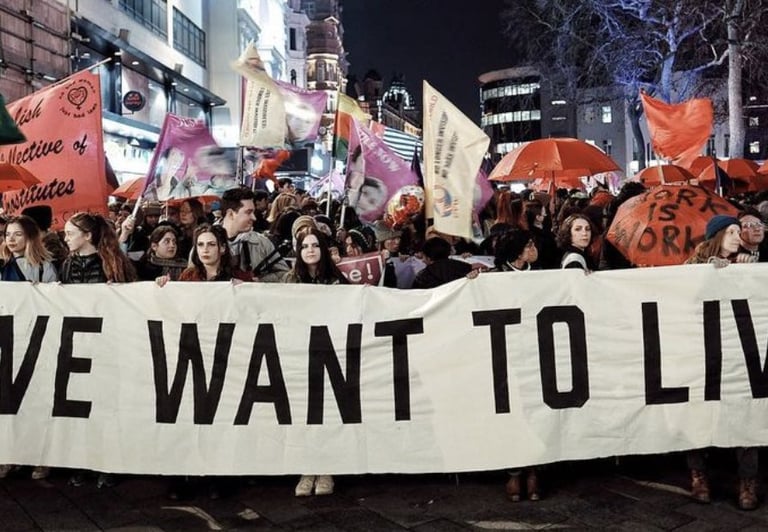
This seminar introduces students to the history of transnational, anti-racist, and indigenous feminist movements in the Americas through a survey of different feminist demands. Taking seriously the claims that (1) politics is about demands, not values, and (2) feminism is a political agenda, not an identity, students will explore the allegiances, intersections, and genealogies that emerge once we treat feminism as a complex and conflicted history of collective action and advocacy. Over the course of the semester, we will move between anti-lynching campaigns to Black Lives Matter to prison abolition; from Wages for Housework to demands for Universal Basic Income to debt abolition; from free school meals to free childcare to free schooling; and from free abortion access to free hormones to universal healthcare.
Centering the perspective of criminalized and persecuted persons we will work together to ask: What is the role of feminism in challenging power and making demands in service of change? How do expansive critiques of state violence shape feminist views on the state, institutions, and society more broadly? What is the relationship between structural violence and individual harm? Who—or perhaps more importantly what—should we make demands of? And, of course . . . What is your one demand?
Readings will include a selection of feminist literature, theory, and manifestos. No prerequisites required.


The Inheritance Plot
What do you think is a better investment: Going to law school or marrying rich? “Work or Inheritance?”
For those curious to know the answer to this "key question" the economist Thomas Piketty has one clear piece of advice. You should read the novels of Jane Austen and Honoré de Balzac.
In this seminar we will take Piketty at his word, treating this instruction as an invitation to explore how contemporary anglophone fiction rewrites the plots of 19th century realist fiction to expose the workings of 21st century capitalism. Reading and watching hit TV shows such as Succession and The Gentleman, and novels by Helen Oyeyemi, Thomas Berhard, Orphan Pamuk, and Hernan Diaz, alongside key works in political economy, we will consider what contemporary literature and culture teaches its readers, true or otherwise, about economics, finance, households, and families.


Master Plots & Counter Narratives:
A Survey of Early American Literature
“The plantation was the superstructure of civilization; and the plot was the roots of culture”
—Sylvia Wynter,
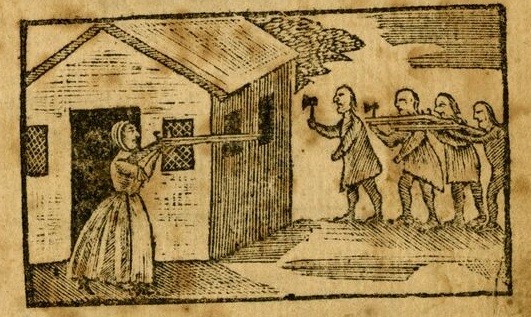
This lecture course examines how literature shaped the conditions under which conquest, settlement, enslavement, and expansion became intelligible in the Americas. Reading texts from the early colonial period to the American Civil War we will approach early American writing not as a steady progression toward national consensus, but as an archive of competing explanations for unequal encounters, coerced relations, labor exploitation, and land theft.
The course is organized around recurring narrative structures—master plots—that move across genres and historical moments, including discovery and first contact, providential migration, captivity, frontier romance, natural history, plantation pastoral, self-making, national progress, and the specter of “miscegenation.” As we will see, these plots supplied durable frameworks for interpreting and translating social and political life. At the same time, the course examines the counter narratives that emerged alongside them: narrative strategies that contest, revise, fracture, or repurpose dominant plots from both within and against established forms.
Reading across a wide range of genres—including sermons, travel narratives, captivity narratives, slave narratives, autobiographies, political writing, fiction, and poetry—students will analyze how literature participated in the production of racial, national, gendered, and economic identities across key sites such as the colony, the plantation, the frontier, and the expanding Midwest. Students will learn to read literary texts not only as aesthetic objects, but as forms of cultural work that both authorize and unsettle ideological formations. We will read the works of cons, criminals, captives, and runaways alongside explorers, founders, and self-described “saints,” attending to how different modes of inhabiting land and social space generate competing literary accounts of what it meant—and continues to mean—to be American.
We will not only read works from traditional, long read writers from predominantly New England but also expand our focus to include writers from the broader Atlantic World paradigm, which includes works from Spanish, French, and Caribbean, supplemented by short critical readings from Indigenous Studies, Black Studies, legal scholarship, and feminist theory. The course concludes with a short coda on contemporary writers, John Keene and Suzan-Lori Parks, who revisit and revise early American master plots to confront their ongoing influence in the present.
© 2024. All rights reserved.
Contact
mcf2180 at columbia dot edu